
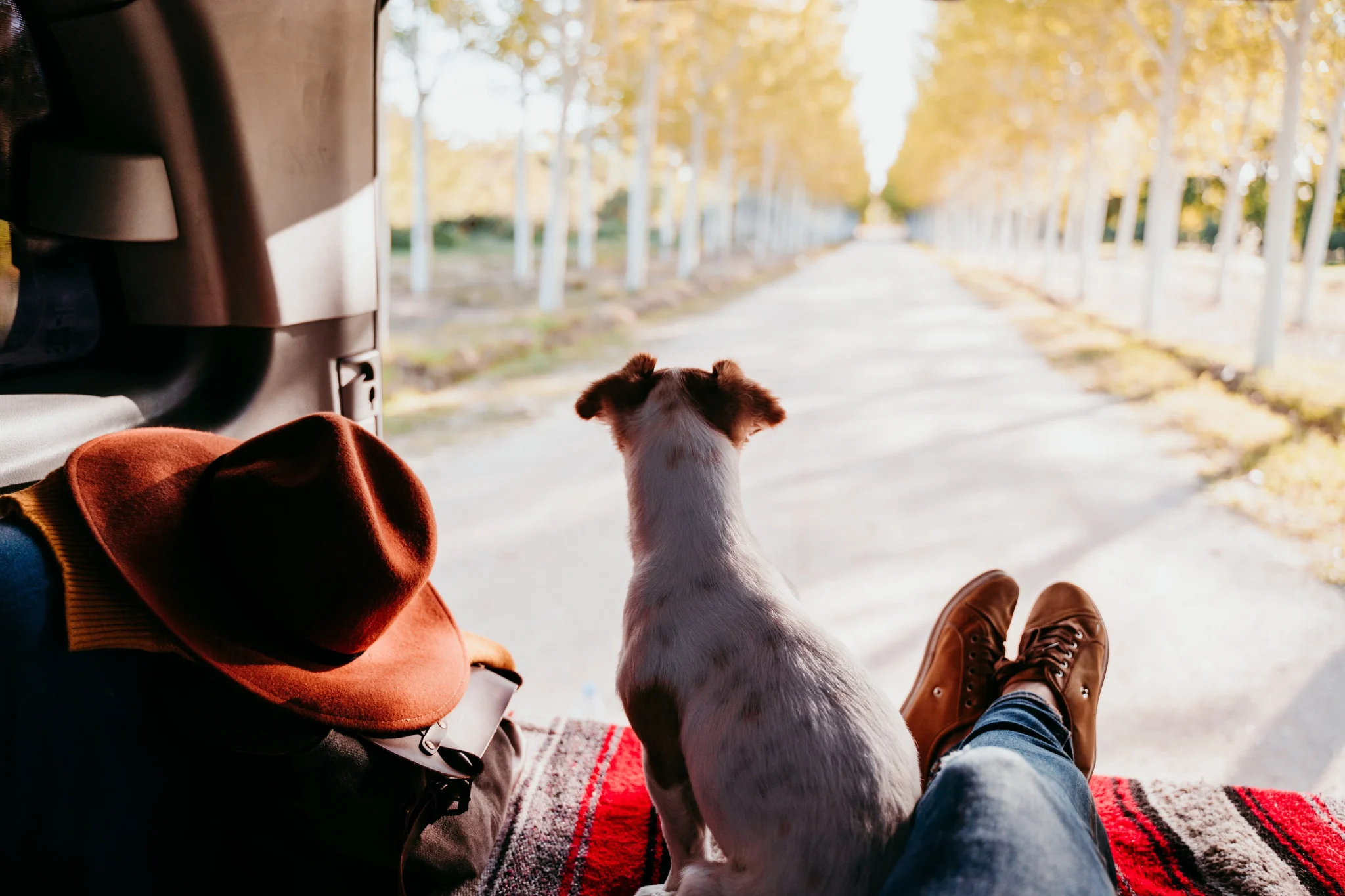
Travelling with your dog is becoming more popular — many owners don’t want to leave their four‑legged family member at home for a long weekend or holiday. However, to make the journey truly enjoyable and stress‑free for you both, careful preparation is essential. It’s not enough to grab the lead and go — your dog has needs you must cater for.
Essential kit
One of the most important things is identification. Always have a tag on your dog with your phone number. Also, if you’re travelling abroad, a passport and microchip are required in many cases. Without these you may be barred from some places.
A lead and a collar or harness are essential, but it’s worth taking spares. On a long trip anything can happen: they can break or get lost, or you might need a different type for city walks or hikes.
Feeding and hydration on the go
A common mistake is not bringing enough food. It’s important to pack your dog’s usual food, as travel itself can be stressful and a sudden diet change may cause digestive problems.
Don’t forget:
- sufficient dog food (airtight packaging)
- treats
- portable feeding and water bowls
- fresh water (particularly for longer journeys)
Stop regularly during the journey so your dog can drink, stretch its legs and relieve itself.
Comfort and safety during travel
When travelling by car, safety is especially important. It’s not advisable to let your dog roam freely in the vehicle, as this is hazardous in an accident. Use a dog carrier, safety belt or travel crate.
Also take care of comfort:
- own bed or blanket (with familiar scents)
- favourite toy
- shade for hot weather
These help your dog feel calmer in an unfamiliar environment.
Hygiene and cleanliness
Maintaining cleanliness is particularly important when travelling, especially if you’re staying in accommodation. It’s worth bringing:
- dog waste bags
- wet wipes
- a towel (after rain, swimming or muddy walks)
- a brush or comb
If your dog tends to get dirty, a lightweight dog coat can also come in handy, especially in rainy weather or during woodland walks.
First-aid kit
It cannot be stressed enough how important a basic first-aid kit is. It should include:
- a tick remover
- disinfectant
- bandages
- your dog’s regular medication
It’s also worth finding out where the nearest vet is to your destination. In an emergency, this can save you a great deal of time.
Documents and regulations
If you’re staying overnight, check in advance that the accommodation is truly dog-friendly. Many places have specific rules for animals: for example, they may not be left alone in the room, or only dogs up to a certain size are permitted.
For travel abroad, look up the rules of the country in advance:
- mandatory vaccinations
- entry requirements
- lead or muzzle requirements
Extra tips for stress-free travel
1. If your dog is not used to travelling, start by getting them accustomed to shorter journeys. This can reduce stress and possible travel sickness.
2. Don’t feed your dog immediately before leaving, as this can increase the chance of car sickness. It is better for them to eat a few hours before travelling.
3. Watch your dog’s behaviour: if they are restless, panting or overly tired, take a break.
Travelling with your dog can be a fantastic experience when you prepare properly. The most important thing is for your dog to feel safe, comfortable and in a predictable environment, even in a new place. With a well-planned bag and a little foresight, inconveniences can be avoided, and the journey can become a truly shared experience.